
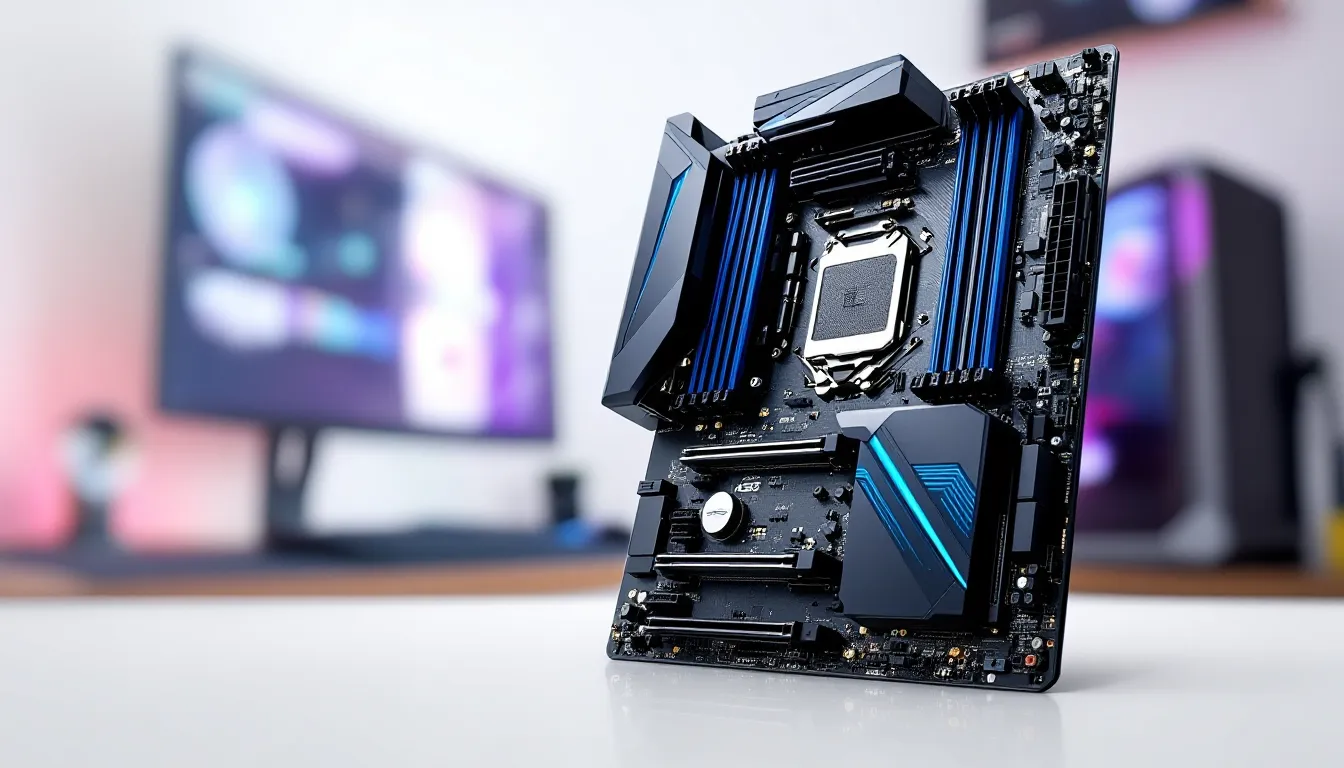

The ASUS Z170 Pro Gaming has long been a go-to choice for gamers and PC enthusiasts building high-performance systems. Even though it’s been several years since its initial release, this motherboard continues to hold relevance in mid-range to enthusiast builds, especially for those working with sixth-generation Intel Core processors. Whether you’re a casual gamer looking to upgrade your current setup or a competitive player hunting for stable, reliable performance, understanding what the Z170 Pro Gaming offers is crucial before committing your budget. This guide breaks down everything you need to know: its specifications, gaming performance features, build quality, connectivity, BIOS experience, and whether it’s the right fit for your next PC project.
Key Takeaways
- The ASUS Z170 Pro Gaming is an excellent budget-friendly choice for building or upgrading 6th-generation Intel systems with reliable overclocking tools and gaming-centric optimizations.
- With robust power delivery (50+ amps per phase), gaming-focused features like Gaming Armor technology, and a clean UEFI BIOS interface, this motherboard supports stable overclocks up to 4.8-5.0GHz on air cooling.
- Used ASUS Z170 Pro Gaming boards typically cost $80–$200, making them outstanding value compared to contemporary high-end boards that exceed $300, especially when paired with a quality GPU.
- The motherboard supports DDR4 memory, NVMe SSDs with integrated heatsinks, Gigabit Ethernet, and SupremeFX audio processing—all essential features for competitive gaming and streaming.
- This board excels in esports titles like CS:GO and Valorant at 1440p, but newer Z790 or Z690 systems with DDR5 and PCIe Gen 5 are better suited for demanding AAA games and modern builds.
- Years of community knowledge, consistent driver support from ASUS, and extensive online guides make troubleshooting easier than with cutting-edge alternatives, adding real value to mature hardware.
What Is the ASUS Z170 Pro Gaming Motherboard?
The ASUS Z170 Pro Gaming is an Intel LGA1151 motherboard designed for sixth-generation Core i3, i5, i7, and K-series processors. It sits in ASUS’s mid-to-upper tier lineup, offering a solid balance between features, stability, and price. The board gained traction when it launched because it provided competitive gamers and builders the tools needed for both solid everyday gaming and serious overclocking, without the premium price tag of flagship models.
What sets this board apart from budget alternatives is its emphasis on gaming-centric features: optimized power delivery for stable overclocks, quality audio components, and gamer-friendly BIOS tuning options. ASUS positioned it as a “Pro Gaming” board, meaning it targets users who want more than basic functionality but aren’t necessarily investing in extreme-level hardware. For enthusiasts building a PC with an Intel 6th-gen processor, the Z170 Pro Gaming remains a competent and reliable backbone.
Key Specifications and Technical Overview
Understanding the core specs of the Z170 Pro Gaming is essential before deciding if it fits your build. The motherboard uses the Intel Z170 chipset, which unlocks unlocked processor overclocking and supports enthusiast-level tweaking. Here’s what you’re working with:
Processor Compatibility and Socket Support
The Z170 Pro Gaming uses the LGA1151 socket, compatible with Intel’s 6th-generation Skylake processors and some 7th-generation Kaby Lake chips (with BIOS updates). This means you can pair it with processors like the Core i7-6700K, i5-6600K, or their non-K variants. The Z170 chipset is specifically designed for unlocked K-series CPUs, allowing for multiplier adjustments and voltage tweaking, something B150 and H170 chipsets don’t permit. If you’re planning a mid-range gaming build or want the option to tinker, this socket support is a major selling point.
Memory and Storage Capabilities
The board supports DDR4 memory, which was the standard for Skylake systems. It typically features four DIMM slots, allowing for up to 64GB of RAM in theory, though most gamers stick with 16GB or 32GB for current titles. DDR4 speeds on Z170 boards generally support up to 3200MHz+, though you’ll need proper cooling and stable silicon to push higher overclocks. Storage-wise, you get multiple SATA III connectors for traditional drives and M.2 slots for NVMe SSDs, a critical feature for faster game load times. The board usually includes one or two M.2 slots depending on the specific revision, giving you flexibility in your storage configuration.
Power Delivery and Thermal Management
The Z170 Pro Gaming features a robust power delivery system, typically rated for up to 50+ amps per phase. This is solid for stable overclocks on even high-end 6th-gen chips. The VRM (Voltage Regulator Module) design keeps power clean and stable, reducing the risk of crashes during heavy gaming or streaming sessions. Thermal management includes heatsinks on the power stages and chipset, with M.2 slots often featuring integrated heatsinks to prevent throttling on fast SSDs. Airflow matters here, pair this board with decent case ventilation and you’ll see stable thermals even during 24/7 gaming marathons or sustained overclocking sessions.
Performance Features for Gaming and Overclocking
Where the Z170 Pro Gaming earns its “Pro Gaming” badge is in the features specifically tuned for competitive performance and pushing hardware limits.
Gaming-Focused Optimizations
ASUS included several gaming-centric technologies on this board. Gaming Armor technology isolates the power delivery for critical components, reducing electrical noise and ensuring stable power during intense gameplay. This is especially valuable during competitive FPS sessions where frame consistency matters. SupremeFX audio processing delivers cleaner sound, useful for competitive players relying on directional audio cues in games like CS:GO or Valorant.
The board also supports Intel Rapid Storage Technology (RST), optimizing SATA and NVMe performance for faster game launches and reduced loading times. When paired with a quality SSD, you’ll notice snappier responsiveness compared to systems with slower storage. Also, network optimization features help reduce latency in online games, crucial when milliseconds count in competitive matches.
Overclocking Potential and Stability
The Z170 chipset is built for overclocking, and the Pro Gaming variant doesn’t skimp on the tools. The BIOS gives you granular control over CPU multiplier, voltages, and RAM timings. Experienced overclockers can push 6th-gen processors like the i7-6700K beyond 4.5GHz on air cooling, sometimes hitting 4.8-5.0GHz with delidding and high-end cooling solutions.
The board’s 8+2 phase power delivery (varies by revision) handles this workload reliably. Many users report stable daily-driver overclocks at +400-500MHz on the core clock without excessive voltage increases. The real-world benefit? Higher frame rates in demanding titles, faster video rendering if you stream, and better performance in CPU-bound scenarios. Just remember: overclocking voids warranties and requires good cooling, so approach it cautiously if you’re new to the hobby.
Build Quality, Design, and Layout
The physical construction of a motherboard matters, it’s the backbone your entire system depends on.
PCB Design and Component Placement
The Z170 Pro Gaming uses a standard ATX form factor, fitting standard cases without issues. The PCB itself is well-laid-out: CPU socket is centered, RAM slots are easily accessible even with a large cooler mounted, and PCIe slots are positioned logically for dual-GPU setups (though rare in gaming now). Component placement shows no obvious red flags, all the critical connectors are positioned where you’d expect them, reducing cable routing headaches during builds.
ASUS uses quality capacitors and chokes on the power delivery, which is the kind of detail that separates mid-tier boards from budget alternatives. The PCB color scheme, typically black with blue accents, looks clean and professional. No fancy RGB underglow, but that keeps costs reasonable. Solder quality is generally excellent on ASUS boards, and the Z170 Pro Gaming is no exception, meaning longevity shouldn’t be a concern even in heavy-use scenarios.
Aesthetic Appeal and Customization Options
The aesthetics are functional rather than flashy. Heatsinks are aluminum with clean lines, and the overall design avoids unnecessary plastic trim that tends to crack or yellow over time. If RGB is your thing, the board includes basic RGB headers for adding lighting, though the onboard RGB lighting is minimal compared to newer boards.
Customization mainly comes through software like ASUS’s Aura RGB control (if lighting is present) and BIOS tuning. The board doesn’t scream “gaming,” which some see as professional and others find boring, but for a build hidden in a tower, the understated aesthetic works fine. Most gamers care far more about what’s under the heatsinks than the paint job, and the Z170 Pro Gaming respects that priority.
Connectivity, Ports, and Expansion Options
Modern gaming requires more than just fast processors, you need robust connectivity and room to expand.
USB and Networking Features
The Z170 Pro Gaming provides multiple USB headers for front-panel connections, supporting both USB 2.0 and USB 3.0 specs. You’ll get onboard USB 3.0 ports, plus headers for tower front connectors. Realtek Gigabit Ethernet handles network duties, delivering stable, low-latency connections for online gaming. While 1Gbps is standard for consumer boards, it’s more than sufficient for gaming, network latency depends far more on your ISP than motherboard speed.
The rear I/O includes several USB 3.0 ports and typically one or two USB 2.0 ports, enough for a gaming mouse, keyboard, headset, and external storage without needing a USB hub. For esports competitors, clean USB connectors reduce lag and interference compared to hubs, so the onboard options are preferable.
Audio and Peripheral Support
SupremeFX audio has multiple stereo inputs and outputs, supporting 7.1 surround configurations if you’re using a proper sound system. For competitive gamers sticking with stereo headsets, the audio quality is clean and detailed, crucial for hearing footsteps or gunfire direction in FPS titles. ASUS includes audio shielding to reduce electrical noise, resulting in less hum or interference in recordings if you stream.
PCI Express slots offer room for discrete sound cards, dedicated network cards, or other expansion hardware, though most gamers don’t need them. The PCIe x16 slots run at full bandwidth for graphics cards, ensuring no bottleneck when paired with high-end GPUs. M.2 slots support NVMe drives, essential for modern OS and game installations where sub-3-second boot times and rapid asset loading are expected.
BIOS, Software, and User Experience
The BIOS and software ecosystem is where users spend time tweaking, updating, and troubleshooting. ASUS gets this right on the Z170 Pro Gaming.
ASUS UEFI Interface and Ease of Navigation
ASUS’s UEFI BIOS on this board is clean and logical. The main screen shows critical info at a glance: CPU temperature, voltages, and multiplier settings. Overclocking options are grouped intuitively, separate sections for CPU, RAM, and storage tuning. First-time builders might find it overwhelming, but experienced overclockers appreciate the granular control without unnecessary menu nesting.
The interface supports both mouse and keyboard navigation, a quality-of-life feature that makes longer tweaking sessions less tedious. Boot times from power-on to BIOS entry are quick, typically under 10 seconds, so iterating settings during overclocking doesn’t waste hours. Auto-detection for RAM and storage works reliably, reducing manual configuration for standard setups.
One note: BIOS updates occasionally add new features or fix stability issues with newer processors, so checking ASUS’s support page for your board revision is wise. The process is straightforward, download the file, save it to a USB stick, and flash via BIOS. Most updates take under a minute.
Bundled Utilities and Driver Support
ASUS bundles software like AI Suite (if included with your version) for real-time monitoring, fan tuning, and light overclocking from Windows. It’s not essential, experienced users rely on BIOS tuning instead, but it’s convenient for casual tweakers or those monitoring thermals during gaming. Driver support is excellent: ASUS maintains updates for chipset, audio, and network drivers, keeping the board compatible with newer Windows versions and ensuring stability.
Network drivers are rock-solid, and audio drivers update regularly to improve codec support. If you’re using a Viper Tech Gaming PC or building a similar high-performance system, having current drivers ensures your board plays nicely with other components. Most gamers set-and-forget drivers after installation, but having an active support channel is peace of mind.
Pricing, Value, and Where to Buy
Given that the Z170 Pro Gaming has been on the market for years, pricing has settled into a specific range. You won’t find it at major retailers often, it’s largely a secondary/used market item now.
Expect $80-200 used, depending on condition and local availability. New boards rarely appear, and if they do, prices spike due to scarcity. For the value proposition: if you can grab one in good condition for under $120, it’s a solid deal for someone building a 6th-gen Intel system. Compared to contemporary high-end boards that cost $300+, the Z170 Pro Gaming offers strong overclocking tools and gaming features at a fraction of that price.
Alternatively, if you’re building in 2026, modern Z690 or Z790 boards offer newer features, better power delivery, and DDR5 support, though they cost considerably more. The choice comes down to budget: the Z170 Pro Gaming is excellent value if you’re pairing it with a used 6th-gen CPU, but new-generation systems will outperform it.
Where to buy used: eBay, local classifieds, or PC building forums often have listings. Always check return policies and ask the seller about the board’s history. Signs of quality: no visible corrosion, all I/O ports intact, and ideally, proof of stable operation. Avoid boards with bent pins, burned-out capacitors, or vague seller histories.
Who Should Buy the ASUS Z170 Pro Gaming?
The Z170 Pro Gaming isn’t for everyone, but it’s perfect for specific scenarios.
You should consider it if:
- You’re building or upgrading a 6th-generation Intel system on a tight budget. Pairing a used i7-6700K or i5-6600K with this board gives you a capable 1080p and 1440p gaming rig at reasonable cost.
- You want overclocking flexibility without very costly. The board’s power delivery and BIOS options rival boards costing twice as much.
- You value proven reliability. This board has years of user feedback, extensive online guides, and a large community, helpful if you hit issues.
- You’re a retro gaming enthusiast or hobbyist. Some players enjoy keeping older systems alive and optimized.
You should look elsewhere if:
- You’re building in 2026 and want current-gen performance. Newer platforms like Intel’s 13th or 14th-gen processors (Z790 chipset) offer significantly better gaming performance and efficiency.
- You need DDR5 memory support or PCIe Gen 5. The Z170 Pro Gaming tops out at DDR4 and PCIe 3.0.
- You want minimal troubleshooting. Older hardware requires more patience: drivers occasionally break with new OS updates, and finding compatible components gets harder over time.
Benchmark context: TechSpot’s hardware reviews show that 6th-gen systems at 1440p are competitive in older esports titles (CS:GO, Valorant, Dota 2) where CPU load is light, but struggle in demanding AAA games like Cyberpunk or modern Unreal Engine 5 titles. If you play competitive FPS games and upgrade your GPU frequently, the Z170 Pro Gaming paired with a good graphics card still delivers.
Conclusion
The ASUS Z170 Pro Gaming remains a solid choice for gamers and enthusiasts building or upgrading 6th-generation Intel systems. It delivers proven reliability, capable overclocking tools, and gaming-centric optimizations at a price point that respects budgets. The BIOS is user-friendly, driver support is consistent, and the overall design favors function over unnecessary aesthetics, exactly what PC gamers want.
Is it cutting-edge? No. Will it embarrass you in gaming? Not if paired with a decent GPU. The real value lies in its position: a mature, stable platform with years of community knowledge behind it, making troubleshooting easier than with bleeding-edge alternatives. Recent benchmarks from Hardware Times and PCWorld confirm that 6th-gen Intel systems remain capable at 1440p and even 4K in less demanding titles, especially with modern optimization.
If you’re eyeing the Z170 Pro Gaming for a retro build, a budget-conscious gaming PC, or a proof-of-concept overclocking project, it delivers on all fronts. Just ensure you’re pairing it with appropriate expectations and components, the board itself won’t bottleneck a quality GPU, and its power delivery won’t embarrass even aggressive overclocks on compatible processors. For the price, it’s hard to beat, and that’s what makes it worth considering in 2026.