
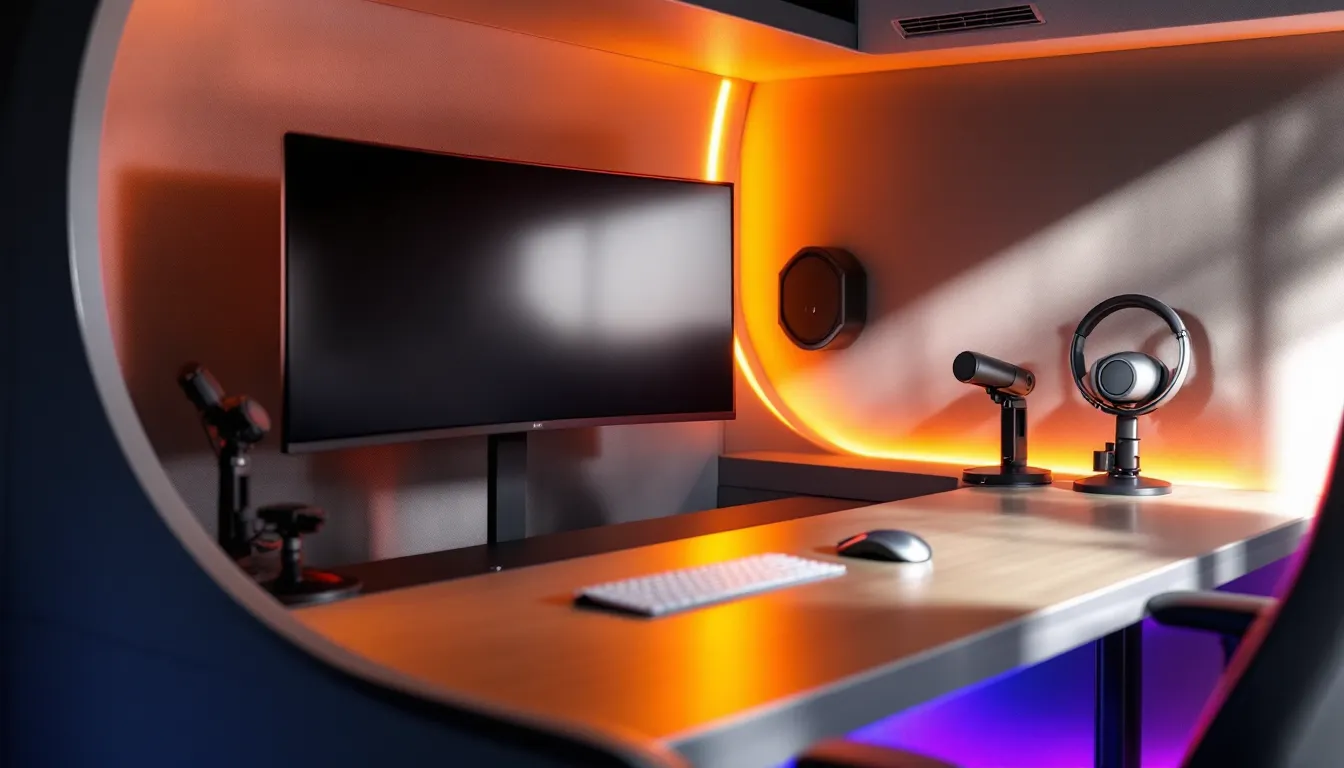

Gaming pods have evolved from a niche concept into a legitimate gaming solution, whether you’re a competitive esports player, a hardcore single-player enthusiast, or someone who just wants an immersive way to disconnect from distractions. These enclosed or semi-enclosed gaming stations combine ergonomic design, specialized audio-visual systems, and environmental controls to create focused, comfortable gaming experiences. As gaming technology accelerates and more players seek alternatives to standard setups, understanding what gaming pods are, how they work, and whether they’re right for you has never been more relevant. This guide breaks down everything you need to know about gaming pods in 2026.
Key Takeaways
- A gaming pod is a purpose-built enclosure that combines ergonomic seating, audio-visual systems, and environmental controls to eliminate distractions and optimize the gaming experience.
- Gaming pods range from affordable single-seat ergonomic chairs under $1,000 to custom installations exceeding $15,000, with commercial venues offering rental options at $10–$30 per hour for competitive players and casual gamers alike.
- Proper ergonomic design, climate control, and connectivity flexibility are more important than aesthetic features when choosing a gaming pod, as they directly impact comfort, performance, and long-term health.
- Competitive esports players benefit measurably from gaming pods featuring low-latency displays (240Hz+) and audio isolation, while story-driven gamers gain equally from enhanced immersion and reduced fatigue during extended sessions.
- The gaming pod market is transitioning from niche to mainstream infrastructure, with emerging innovations like AI-driven environmental optimization, haptic feedback, and mixed reality integration expected to become standard over the next 2–3 years.
What Is a Gaming Pod?
A gaming pod is a purpose-built enclosure designed to optimize the gaming experience through environmental control, ergonomic seating, and integrated audio-visual systems. Rather than a standard desk setup, pods are architecturally designed spaces, ranging from compact single-seat stations to full room-sized installations, that isolate players from external distractions while supporting extended gaming sessions.
Think of it as the gaming equivalent of a recording studio: just as musicians need acoustic isolation and climate control for optimal recordings, gamers benefit from a controlled environment that removes background noise, manages temperature, and provides properly calibrated visuals. The core appeal is straightforward: better focus, reduced fatigue, and the psychological benefit of having a dedicated space that signals “this is serious gaming time.”
Key Features and Design Elements
Most gaming pods share several defining characteristics:
- Ergonomic seating: High-quality chairs with lumbar support, adjustable armrests, and breathable materials designed for 4+ hour sessions without discomfort
- Integrated display mounts: Pre-configured positioning for monitors or VR headsets that eliminates neck strain from poor angling
- Sound isolation: Acoustic paneling or noise-dampening materials that block external sound while containing the pod’s audio output
- Cable management systems: Clean, organized routing for peripherals, power, and networking to prevent clutter and cable damage
- Lighting control: RGB or adjustable ambient lighting that reduces eye strain and can sync with in-game action or set a specific gaming mood
- Ventilation: Active or passive airflow systems that manage heat buildup from hardware and prolonged sitting
- Connectivity hub: Built-in USB, DisplayPort, HDMI, and Ethernet access points (some models feature wireless connectivity)
Design aesthetics vary widely. Some pods embrace a minimalist, corporate look. Others lean into aggressive gaming aesthetic with RGB accents, angular shapes, and dark finishes. The best ones prioritize function first, form follows the practical needs of long gaming sessions.
Types of Gaming Pods Available Today
Gaming pods aren’t monolithic. The market offers distinct categories, each optimized for different use cases and player profiles.
Compact Single-Seat Pods
These are the most affordable and space-efficient option. Single-seat pods are essentially ergonomic gaming chairs with integrated monitor stands, lighting, and cable management built into the frame or backrest area. They occupy minimal floor space, roughly the footprint of a regular desk chair, making them ideal for home setups where square footage is limited.
They typically support 1080p to 1440p displays on 24–27″ monitors and are designed for PC or console gaming via a nearby stand or small table extension. The trade-off is obvious: no environmental isolation, limited audio containment, and basic climate control. But they deliver meaningful ergonomic benefits and improved cable organization at a price point most gamers can justify ($400–$1,200 depending on build quality).
Multiplayer Gaming Pods
These mid-size installations accommodate 2–4 players in a shared pod structure, typically featuring curved or L-shaped seating arrangements with individual monitor and peripheral setups for each player. They’re popular in gaming lounges, esports training facilities, and LAN party venues.
Multiplayer pods often include a central cooling system, combined audio systems with individual headphone jacks, and integrated lighting that can be synchronized across all stations. Some advanced models separate players with transparent dividers to reduce distraction while maintaining the social element of co-located gaming. Pricing reflects the complexity: $3,000–$8,000 per installation is standard.
VR and Immersive Gaming Pods
These are purpose-built for virtual reality and spatial computing. They feature open floor space within or around the pod structure to allow full-body movement, safety barriers to prevent players from hitting walls or obstacles, and integrated haptic feedback systems in some high-end models.
VR pods often include hand-tracking sensors, room-scale tracking, and synchronized environmental effects (wind simulation, vibration, scent diffusion in premium setups). The physical safety component is critical here, quality VR pods include fall protection mats, wall padding, and clear boundary markers. They’re predominantly found in arcade-style VR venues and esports centers rather than home setups, due to space and cost requirements ($5,000–$20,000+).
Esports Training Pods
Competitive gaming requires specific optimization: low-latency displays (144Hz–360Hz), high-precision control peripherals, and performance monitoring integration. Esports training pods are built around these demands.
They feature tournament-grade monitors, mechanical keyboards and gaming mice from pro-level brands, dedicated headphone systems with latency-optimized audio drivers, and often include integrated performance analytics software. Many include reaction time testing modules, aim training calibration, and video recording capabilities for VOD review. These are high-end installations ($2,000–$15,000+) found in academy programs, pro team facilities, and specialized training centers. Recent patches in competitive games, like balance changes in CS:GO or Valorant, sometimes necessitate recalibration of training regimens, which these pods can accommodate through software updates.
Benefits of Gaming Pods
Why would someone invest in a gaming pod instead of a standard setup? The benefits span physical, psychological, and performance dimensions.
Ergonomics and Health Advantages
Extended gaming sessions, 4 to 8 hours, take a toll on the body if the setup isn’t ergonomically optimized. Poor posture, inadequate lumbar support, and misaligned monitors lead to neck strain, wrist pain, and lower back issues. Over years, these compound into chronic problems.
Gaming pods address this systematically. Professional-grade chairs in pods feature:
- Adjustable lumbar support (vs. standard chairs’ fixed cushions)
- Armrests that align with desk height to reduce shoulder tension
- Seat depth and height customization to fit different body types
- Breathable materials (memory foam, mesh) that manage sweat during intense sessions
- Monitor positioning that keeps eyes level or slightly downward (vs. upward gazing in poorly mounted setups)
Cables and power management within pods reduce the risk of tripping, tangling peripherals, or straining to reach connectors. Ventilation systems keep the air fresh and cool, reducing fatigue that sets in when ambient temperature rises above 72°F, a critical factor for cognitive performance in competitive play.
The result: players report reduced post-session fatigue, fewer headaches, and better session-to-session consistency in performance. For anyone gaming 20+ hours weekly, these advantages compound into measurable quality-of-life improvements.
Performance and Focus Optimization
Focus is fragile. A notification sound, a cat jumping on the desk, or even just visual clutter in your peripheral vision breaks concentration. In competitive gaming, where reaction time is measured in milliseconds, even minor distractions cost rounds.
Gaming pods eliminate these vectors:
- Audio isolation: Acoustic dampening means outside noise doesn’t register. Your game audio and Discord comms remain crystal clear without volume inflation that fatigues hearing over time
- Visual isolation: Closed or semi-closed pods reduce visual noise from the surrounding environment, keeping your attention on the screen
- Environmental consistency: Climate control maintains optimal mental performance (temperatures between 68–72°F are scientifically optimal for focus)
- Dedicated space psychology: Physically entering a pod signals your brain that gaming time is here. This ritualistic shift activates focus mode more reliably than just sitting at a shared desk
Competitive players using esports training pods have reported faster reaction times, improved aim consistency, and higher accuracy rates compared to open-environment gaming. While individual results vary, the performance uplift is measurable and reproducible across multiple studies in sports science.
Casual and story-driven players benefit equally, games like Baldur’s Gate 3, Elden Ring, or Starfield deliver narratively and atmospherically in ways that open distractions undermine. A pod setup respects the game’s pacing and artistic intent.
Gaming Pod Technology and Features
The technical backbone of a quality gaming pod determines whether it genuinely enhances gaming or just looks impressive.
Audio and Visual Systems
Display integration varies by pod type. Single-seat home pods typically mount one 27″ monitor at 90–110cm distance (optimal for 1440p clarity without head movement). Multiplayer and esports pods may feature multiple displays, either individual monitors per player or a shared central display for cooperative play.
Panel technology matters. IPS panels offer better color accuracy and viewing angles (valuable for design, creative work, and story-heavy games). VA panels deliver superior contrast ratios (useful for competitive shooters where visibility matters). TN panels have negligible input lag (sub-1ms), historically valued in competitive circles, though modern IPS and VA panels have closed that gap to imperceptible differences for most players.
Refresh rates in esports training pods are typically 240Hz–360Hz displays paired with gaming-optimized GPUs. For casual and mainstream pods, 144Hz is the sweet spot, a 3x improvement over standard 60Hz monitors that dramatically smooths fast-panning motion in shooters, action games, and fast-scrolling content.
Audio systems in pods employ either:
- Integrated speakers: 2.0, 2.1, or 5.1 surround configurations built into the pod structure, useful for immersive spatial audio in games like Valorant or Call of Duty where directional cues matter
- Headphone integration: 3.5mm or USB jacks with low-latency audio drivers for competitive play where headphone isolation is preferred
- Hybrid setups: Both integrated speakers and headphone outputs, selectable via a control panel
High-quality gaming pods include active noise cancellation in the audio path, reducing fan noise from the gaming rig itself.
Climate Control and Comfort
A gaming rig generates significant heat. A high-end GPU can dissipate 400+ watts. Ambient heat from the pod structure itself plus human body heat in a sealed space creates thermal buildup that degrades focus and comfort within 30–60 minutes if unmanaged.
Quality gaming pods incorporate:
- Ventilation fans: Active air circulation systems that channel hot air out and pull cool air in. Fan speed often adjusts based on rig temperature sensors (automatic or manual control)
- Ducting systems: Some premium pods route air from external climate-controlled spaces, ensuring fresh, temperature-regulated airflow
- Thermal insulation: Paradoxically, good insulation helps maintain optimal temperature by preventing outside heat from bleeding inward and allowing controlled air to function efficiently
- Humidity management: Passive or active dehumidification systems prevent moisture buildup that corrodes electronics and causes discomfort
Seating comfort is equally critical. Beyond lumbar support, top-tier gaming pod chairs include:
- Adjustable seat tilt tension (reclining resistance)
- Headrest design that supports neck without forcing posture
- Armrest adjustment (height, angle, width) for different gaming styles
- Foot rests or floor-mounted leg supports for players under 5’6″ or over 6’2″ who can’t achieve optimal seated posture in standard dimensions
Connectivity and Compatibility
A gaming pod must connect to diverse gaming platforms. Modern pods feature:
- Multi-display input: HDMI 2.1, DisplayPort 2.0, USB-C video output support for PC, PlayStation 5, Xbox Series X/S, and Nintendo Switch
- Wireless integration: 5GHz Wi-Fi 6E or Wi-Fi 7 for lag-free online gaming. Some esports pods include dedicated Ethernet routing for competitive titles where hardwired connections are standard
- Peripheral connectivity: USB 3.1 hubs, low-latency Bluetooth for wireless mice and keyboards, and 2.4GHz wireless dongles for specialized gaming peripherals
- Control interfaces: Integrated panels or voice control (Alexa/Google Home compatibility in some modern pods) to adjust lighting, temperature, and audio settings without leaving the chair
Forward compatibility is important. Since gaming technology evolves, think of the PS5 launching with HDMI 2.1 requirements, quality pods future-proof connectivity through modular connector banks and easily upgradeable interface modules rather than hard-soldered connections.
Where to Get Gaming Pods: Locations and Options
Gaming pods exist in two contexts: commercial venues and home installations.
Gaming Lounges and Esports Venues
The booming competitive gaming and esports infrastructure has created demand for professional-grade gaming pods. Major cities now host dedicated esports arenas, gaming lounges, and LAN cafes that feature multiplayer and esports training pods.
These venues offer:
- Per-hour rental: $10–$30/hour depending on pod tier and location. Premium esports pods cost more: casual single-seat pods cost less
- Tournament hosting: Venues often run weekly tournaments with specific pod setups, allowing competitors to train on the exact equipment they’ll compete on
- Social atmosphere: Multi-pod lounges create a community environment, players can compete head-to-head, join team scrims, or watch others play
- Maintained hardware: Commercial pods receive regular maintenance, GPU driver updates, and hardware refreshes. You’re always gaming on current-gen equipment
Finding commercial gaming pods requires searching for “esports arena” or “gaming lounge” in your city. Major metropolitan areas (Los Angeles, New York, Chicago, Dallas, Seoul, Tokyo, London) have developed esports infrastructure. Smaller cities may have LAN cafes offering similar services, though the pod quality and technology tier varies widely.
Venues also host casual gaming, many offer VR experiences, rhythm games, fighting game cabinets, and console gaming pods alongside competitive esports stations. This accessibility has made gaming pods culturally mainstream rather than purely competitive-focused.
Home Gaming Pods
Why build a gaming pod at home? Control, convenience, and the ability to game whenever you want without rental fees. Home pods range from budget-friendly ($400–$800) single-seat solutions to luxury installations ($8,000–$20,000+).
DIY builds are viable for budget-conscious builders. Purchasing an ergonomic chair ($300–$600), monitor arm ($100–$200), cable management system ($50–$150), and RGB lighting strips ($30–$80) nets a functional setup for under $1,000. This approach requires assembly and fine-tuning but works well for single-monitor PC gaming.
Modular pod systems (marketed by brands like Secretlab with their gaming desks and accessories, and custom fabricators) offer pre-engineered pod components that snap together. These range from $1,500–$4,000 and reduce assembly complexity while offering better cable management and integrated lighting than DIY approaches.
Full custom installations work with fabricators to design bespoke pods matching your space, budget, and gaming focus. Custom pods often integrate with existing home infrastructure (power, networking, HVAC) and use premium components throughout. Expect to invest 8–12 weeks and $5,000–$15,000+ for truly custom work.
Home pod installation requires space (minimum 4×4 feet for single-seat, 6×8 feet for comfortable multiplayer), electrical capacity (dedicated circuit recommended to avoid power conflicts with refrigerators or laundry machines on the same line), and often ventilation planning (ensuring exhaust air doesn’t recirculate back into the pod).
Many home builders document their setups on YouTube and Reddit. Searching “gaming pod build” surfaces real examples with cost breakdowns, material suppliers, and detailed assembly processes. Recent discoveries in what’s new in gaming technology have made home pod builds more viable as modular components become more affordable and widely available.
Choosing the Right Gaming Pod for Your Needs
Not every gamer needs a $10,000 custom pod. Selecting the right option depends on three factors: budget, space constraints, and gaming priorities.
Budget and Affordability
Sub-$1,000: Single-seat ergonomic gaming chairs or DIY desk setups. Best for casual gamers, students, or anyone dipping their toes into optimized gaming without major financial commitment. Expect basic ergonomics, standard RGB lighting, and cable management, not environmental isolation or advanced climate control.
$1,000–$3,000: Modular systems or semi-custom setups. This is the “sweet spot” for enthusiasts who game 15+ hours weekly and want measurable ergonomic improvements plus nice-to-have features like integrated lighting and speaker systems. Fits most home spaces and budgets.
$3,000–$8,000: Full custom home pods or premium modular systems. Justified for competitive players, content creators who stream from a dedicated setup, or anyone treating gaming as a serious hobby. Includes environmental controls, superior audio-visual integration, and aesthetics.
$8,000+: Luxury or commercial-grade installations. Reserved for esports orgs, professional streamers, high-income enthusiasts, or venues needing multiple units amortized across rental revenue.
Consider total cost of ownership: a $5,000 home pod is a one-time investment with zero ongoing rental fees. A $20/hour commercial pod used 10 hours weekly costs $10,400 annually, better than ownership for casual gamers, but worse for dedicated players. Calculate your usage pattern and compare.
Space and Installation Requirements
Apartment dwellers: Single-seat ergonomic chairs or compact desk pods. Minimal footprint, no structural modifications, easily removable if you move. Rent-friendly.
Dedicated room or home office: 6×8 feet or larger enables mid-tier modular or semi-custom pods. Sufficient for multiplayer setups or complex cable routing. Ventilation planning becomes relevant.
Large basement or garage: Ideal for full custom installations. Space for environmental control ducting, power distribution, networking infrastructure, and future expansion. Permits the most ambitious designs.
Structural considerations: Some heavy-duty custom pods weigh 500+ pounds fully assembled. Older floors may require reinforcement. Ventilation ducting requires access to exterior walls. Electrical panels need room for dedicated circuits. Before committing to a custom build, have a contractor assess your space.
Gaming Style and Preferences
Competitive esports players: Prioritize low-latency displays (240Hz+), ergonomic precision peripherals, and focus-isolation features. Esports training pods are the logical fit. Commercial venues may be more cost-effective than home builds unless you plan 30+ hours weekly.
Story-driven/single-player enthusiasts: Ergonomics and audio-visual quality matter more than latency. Home modular pods or custom builds let you tune the environment for immersion. Integrated speakers with surround sound enhance narratively rich games like Baldur’s Gate 3, Starfield, or Dragon’s Age.
Casual/social gamers: Multi-player capability and comfortable seating for 2–4 people trumps individual optimization. Multiplayer pods in commercial venues or co-designed home setups work well. The focus is social experience, not frame-rate optimization.
Content creators/streamers: Dedicated power delivery (separate UPS/power conditioning), integrated lighting for camera appeal, superior audio input options, and reliable cooling matter most. Custom pods that integrate streaming software, capture cards, and microphone systems justify higher investment.
Recent competitive patches and meta shifts, like balance changes in gaming news and guides sources such as Game Rant, sometimes shift optimal training approaches. A quality pod should remain flexible to equipment swaps, software updates, and strategic reconfigurations without structural limitations.
When finalizing your choice, physically test the seating and monitor positioning if possible. Gaming pod comfort is deeply personal. What works for a 5’8″ person may be terrible for someone 6’4″. Spend an hour in the exact pod model you’re considering. If it’s a custom build, request detailed photos and user reviews from others with similar body types and gaming preferences.
The Future of Gaming Pods
Gaming pod technology isn’t static. Market growth and technological advancement are pushing designs in exciting directions.
Emerging Trends and Innovations
AI-driven environmental optimization: Next-generation pods will incorporate sensors and machine learning to automatically adjust lighting, temperature, and sound profiles based on the game being played and the player’s individual biometrics. Gaming a bright daytime racing sim? Lighting adjusts. Competitive FPS requires enhanced audio clarity? The system boosts treble and reduces ambient noise. This level of personalization is computationally possible today but not yet integrated into consumer pods.
Haptic and motion feedback: Premium VR and immersive pods are adding motion platforms, subtle vibration feedback synchronized with explosions, impacts, or movement. Some experimental high-end installations include motion simulation that tilts or rocks the pod structure based on in-game physics. Expect this to filter into home installations over 2–3 years as costs decrease.
Mixed reality integration: As AR glasses mature, pods will incorporate spatial computing alongside traditional displays. Imagine a racing game where your peripheral vision shows a mixed-reality cockpit overlay, or a tactical shooter where the real ceiling becomes a minimap. Pods designed for flexible display systems will support this evolution.
Modular AI-assistants: Integration of AI co-pilots for coaching, real-time strategy suggestion, and performance analytics. An esports training pod might include software that analyzes your gameplay, flags positioning mistakes, and recommends adjustments in real-time. This is software-level, not hardware, but pod vendors are bundling these services.
Sustainability focus: Newer installations are optimizing power efficiency. Modular LED lighting with precise control reduces power draw versus always-on RGB. Passive cooling through better insulation and ventilation reduces HVAC reliance. Some vendors are researching recycled materials for pod construction. As gaming’s environmental footprint gets scrutinized, eco-conscious pods will differentiate in the market.
Portable and modular expansion: Current custom pods are site-specific. Future designs will favor modular, plug-and-play components that nest together for transport and reassemble in new locations. This appeals to esports teams that travel and content creators who relocate frequently.
The competitive gaming industry, professional esports, streaming, and academic team programs, will drive innovation first. Commercial venues will adopt bleeding-edge pods to attract players and sponsors. Home consumer adoption will follow with a 12–24 month lag as prices decrease and DIY guides proliferate.
Industry analysts covering gaming infrastructure, like those at Kotaku and Game Informer, are increasingly covering gaming pod evolution as esports legitimacy grows. Pod technology is shifting from novelty to infrastructure, similar to how PC gaming went from enthusiast-only to mainstream over the past decade.
For competitive players, investing in a quality pod now positions you to adopt next-gen features as they arrive. For casual players, waiting 2–3 years for more affordable, proven modular systems makes financial sense. Either way, gaming pods are no longer a fringe concept, they’re becoming standard infrastructure in competitive gaming and increasingly appealing to serious enthusiasts.
Conclusion
Gaming pods represent a meaningful evolution in how players can optimize their experience, whether chasing competitive advantages, immersing themselves in story-driven worlds, or simply creating a dedicated space where gaming feels sacred.
The fundamentals are straightforward: ergonomic seating reduces fatigue, environmental control sharpens focus, and integrated technology eliminates friction between intention and execution. These aren’t revolutionary concepts individually. Combined in a purposeful space, they compound into measurable improvements in comfort, performance, and enjoyment.
The right pod for you depends on your budget, space, gaming priorities, and commitment level. A casual gamer might find a $600 ergonomic chair transformative. A competitive player building a home training environment might justify a $4,000 custom installation. A team or venue operator should expect $10,000+ for tournament-ready equipment.
The market is maturing. Commercial gaming lounges and esports venues make pods accessible without ownership commitment. Home pod options range from DIY budget builds to luxury installations. Modular systems are becoming more affordable and easier to assemble than ever.
As gaming continues to be recognized as a serious competitive, creative, and social domain, the infrastructure supporting it, including gaming pods, will keep improving. Whether you’re exploring options now or considering one for the future, understanding what gaming pods are and what they deliver gives you the foundation to make an well-informed choice.
The question isn’t whether gaming pods will become standard. The question is when you’ll consider one a necessary part of your setup.
Key Features Worth Remembering
SkyTech Gaming PC in remains one of the most popular references for understanding how high-end gaming hardware pairs with optimized spaces like pods. Quality pods house quality components, the synergy matters.
When evaluating pods, prioritize ergonomic design, climate control, and connectivity flexibility over flashy aesthetics. The most impressive-looking pod is useless if it causes neck pain or thermal throttles your GPU after 90 minutes.
Most importantly: test before you invest significantly. Spend a few hours in a commercial pod or arrange to try a friend’s setup. Gaming comfort is personal. The pod that delivers for someone is only valuable if it delivers for you.