
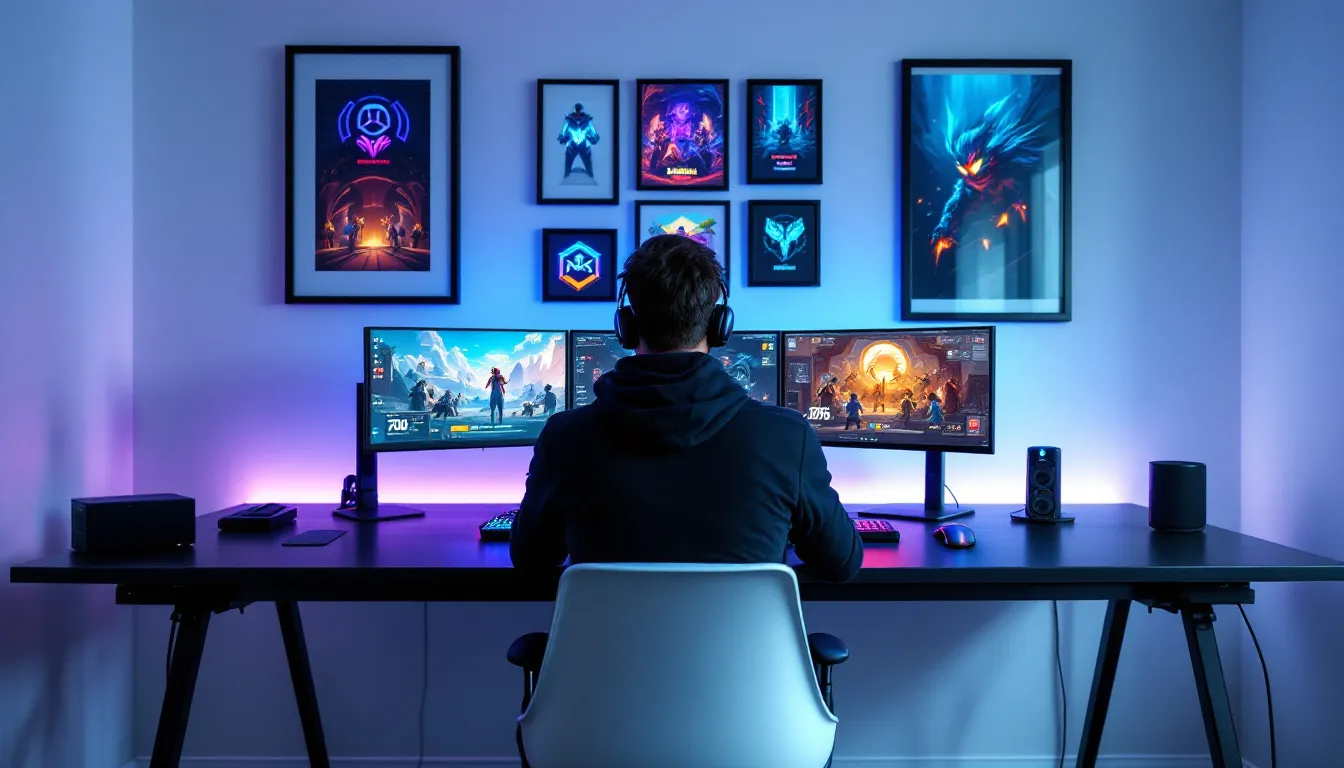

Your gaming setup is more than just a desk, monitor, and peripherals, it’s your command center, your sanctuary, and increasingly, a reflection of your identity as a gamer. Gaming wall art has evolved from a niche afterthought into a core element of how gamers personalize their spaces. Whether you’re a casual player decorating a dorm room or a competitive esports athlete optimizing your training environment, the right wall art can transform a bland corner into an immersive gaming haven. In 2026, the variety of gaming wall art options has exploded, ranging from nostalgic console artwork to cutting-edge LED installations that sync with your gaming sessions. This guide walks you through everything you need to know about selecting, displaying, and sourcing gaming wall art that actually fits your space, budget, and aesthetic, no filler, just the practical details that matter.
Key Takeaways
- Gaming wall art transforms your setup into a personalized sanctuary that impacts mood, focus, and the overall gaming experience while serving practical benefits like improved acoustics and reduced eye strain.
- Popular gaming wall art styles include nostalgic console artwork, competitive esports branding, and indie game aesthetics—each offering distinct visual languages that align with different gaming identities and room aesthetics.
- Proper placement and sizing are critical; aim for wall art that takes up 50-75% of the visual space behind your desk, positioned 6-12 inches above your monitor to avoid visual competition during gameplay.
- Canvas prints and framed artwork offer durability and premium appeal, while budget-friendly options like print-at-home services and DIY mounting techniques let you achieve professional results without premium costs.
- Source gaming wall art from official game publisher storefronts, specialized retailers like Etsy, gaming events, and print-on-demand services—always verify quality through reviews and high-resolution images before purchasing.
Why Gaming Wall Art Matters for Your Setup
It might sound superficial, but the walls around your gaming station directly impact how you feel when you sit down to play. Your brain picks up on environmental cues, colors, imagery, lighting, and they shape your mood and focus. A room cluttered with generic posters will feel disconnected from your gaming identity. A space decorated with art that resonates with your favorite games, franchises, or gaming culture feels intentional and personal.
Beyond psychology, gaming wall art serves practical purposes too. It can improve acoustics by breaking up hard wall surfaces, reduce eye strain during long sessions by adding visual depth to your peripheral vision, and create a visual anchor that makes your setup feel complete. Streamers and content creators also benefit from curated wall art, it becomes part of your on-camera aesthetic and gives viewers a sense of who you are as a gamer.
The investment in gaming wall art also matters for resale value and versatility. Unlike RGB lighting or case mods that date quickly, well-chosen wall pieces age gracefully and can adapt as your tastes evolve. You’re not just buying decoration: you’re building an environment that supports your gaming habits and reflects your personality.
Popular Gaming Wall Art Styles and Themes
Console Gaming Art and Nostalgia Pieces
Nostalgia remains one of the strongest drivers of gaming wall art purchases. Retro console artwork, think 8-bit Mario, Sonic the Hedgehog, and original PlayStation branding, resonates with gamers who grew up with these systems. These pieces work especially well in smaller sizes as accent art or in gallery walls that mix periods. The advantage of nostalgia art is that it’s instantly recognizable and carries emotional weight: a single piece can anchor an entire room’s aesthetic.
Classic game covers also perform well. Framed artwork from iconic titles like The Legend of Zelda, Metroid, and Final Fantasy capture the artistry of those games’ original marketing. These pieces feel timeless partly because the art direction of these games was so strong that it hasn’t dated as much as the technology around them. Many collectors specifically hunt for first-edition box art or promotional materials from retro libraries.
Esports and Competitive Gaming Designs
The competitive gaming scene has its own visual language, and wall art in this category tends toward sleeker, more modern aesthetics. Team logos, esports organization branding, and competitive game artwork (think Valorant, CS:GO, and League of Legends) dominate this space. Players and fans mount these pieces to show allegiance to their favorite teams or the games they compete in.
Competitive gaming wall art often skews darker in color palette, blacks, deep purples, neon accents, which fits the high-energy, intense vibe of esports culture. These pieces work well in rooms with RGB lighting and gaming-focused setups. If you’re serious about a competitive title, team artwork or official esports merch-turned-wall-art becomes part of your room’s narrative. It signals dedication without being overly theatrical.
Indie Game Aesthetics and Pixel Art
Indie games have democratized visual art in gaming, and their distinctive aesthetics have become hugely popular for wall decoration. Games like Celeste, Hollow Knight, and Undertale feature art styles so compelling that fans actively commission custom wall pieces inspired by them. Pixel art, in particular, has experienced a genuine renaissance, it’s simultaneously retro and contemporary, challenging the notion that indie games need photorealism to be beautiful.
Pixel art wall pieces often work as smaller prints in a collection or as larger canvas installations that serve as focal points. The beauty of indie-inspired art is flexibility: you can find official artwork from developers, fan art commissions, or prints that capture the essence of specific games without being a 1:1 replica. Many indie game communities actively produce and share wall art, making it easy to find pieces that feel authentic to the games themselves.
The color palettes in indie game art tend toward either warm, earthy tones or bold, high-contrast designs. This means indie game wall art can complement more diverse room setups than strict esports branding or retro console art.
How to Choose the Right Gaming Wall Art for Your Room
Color Schemes and Room Layout Considerations
Before you buy a single piece, step back and think about your room’s existing color palette. Your gaming wall art should either complement your existing decor or intentionally contrast with it, but it shouldn’t feel accidental. If your room runs cool tones (blues, purples, grays), warm-toned gaming art can feel jarring. Conversely, cool-toned esports or competitive game artwork pairs naturally with RGB lighting and modern gaming furniture.
Consider the dominant colors in your gaming monitor, case lighting, and desk setup. Your wall art should create a cohesive ecosystem rather than competing for visual attention. This doesn’t mean everything has to match, gamers often embrace intentional mismatches, but there should be a thread connecting the visual elements.
Room lighting matters more than many people realize. Art in a dimly lit room can disappear: art in a brightly lit room might feel washed out. Natural light from windows can also shift how colors read throughout the day. Test how your room looks at different times before committing to larger pieces. LED-backlit or glow-in-the-dark gaming art can actually solve this problem by bringing its own light source.
Size and Placement Strategies
One of the biggest mistakes gamers make is choosing wall art that’s too small for the space. A 12×18 poster looks lost on a wall above a 60-inch desk setup. The general rule: your art should take up 50-75% of the visual wall space directly behind your gaming station. If you have a 6-foot wall behind your desk, aim for artwork that spans at least 3-4 feet.
Placement also depends on your monitor setup. If you have a single monitor, center your wall art above or beside it. If you use an ultrawide or multi-monitor setup, you might flank your monitors with art on either side or place a larger central piece above the entire bank of screens. Keep art at least 6-12 inches above your tallest monitor to avoid visual competition when you’re gaming.
Gallery walls work beautifully for gaming setups but require planning. A common approach is creating a grid of 6-9 smaller pieces (8×10 or 11×14) that tells a story across your games, interests, or era of gaming. Alternatively, one large statement piece paired with 2-3 smaller accent pieces creates balance without overwhelming the space. Ensure there’s consistent spacing, typically 2-3 inches between frames, to keep the arrangement feeling intentional rather than chaotic.
Types of Gaming Wall Art: From Posters to Canvas
Framed Prints and Posters
Framed prints and posters remain the most accessible and versatile form of gaming wall art. They’re relatively affordable, easy to swap out, and work in virtually any room style. Unframed posters work too, but they lack longevity, they’re prone to curling, fading, and looking temporary. Framed prints signal that you’ve invested thought into your setup.
The frame itself matters more than you might think. Black frames work with almost anything and keep the focus on the artwork. White or natural wood frames create a softer, more gallery-like aesthetic. Metal or acrylic frames feel more modern and pair well with contemporary gaming setups. Avoid overly ornate frames unless your room specifically calls for it: gaming art usually benefits from minimal, clean framing that doesn’t compete with the print.
When sourcing prints, check the paper quality and printing method. Matte finishes reduce glare and work better in brightly lit rooms. Glossy finishes make colors pop but are prone to fingerprints and reflections. For gaming art, matte is usually the safer choice unless you specifically want that high-impact, vibrant look.
Canvas Artwork and Stretched Prints
Canvas prints create a more premium, gallery-quality feel than framed paper prints. The stretched canvas format, where the image wraps around the edges of a wooden frame, makes art feel more substantial and reduces the need for additional framing. This format works especially well for larger pieces that serve as focal points.
Canvas prints also feel less fragile than framed glass pieces, which matters in a gaming environment where monitors, speakers, and cables are moving around. They’re less likely to shatter if something gets bumped, and they generally look more integrated into the wall rather than hung on it.
The tradeoff is cost: canvas typically runs 30-50% more than framed prints of equivalent size. But, the longevity and visual impact often justify the expense. Canvas also handles bold colors and high-contrast designs (common in esports and indie game art) better than paper. If you’re investing in wall art you plan to keep for years, canvas is the move.
LED-Backlit and Interactive Wall Pieces
LED-backlit gaming wall art represents the newest frontier in gaming room decoration. These pieces feature integrated LED strips that illuminate the artwork from behind, creating a glowing effect that syncs with your RGB ecosystem. They’re especially popular in competitive gaming setups and streaming rooms.
Some advanced versions sync with your game via USB, the lighting reacts to in-game events or matches the dominant colors on your screen. This level of interactivity feels gimmicky until you actually experience it: the immersion boost is real when your wall art pulses during intense moments in gameplay.
The downside is cost and maintenance. LED-backlit pieces run $80-300+ depending on size and complexity, and they require power outlets and USB cables. They also introduce another element to troubleshoot if something fails. They’re best suited for dedicated gaming rooms rather than multipurpose spaces. For streamers and content creators, though, the visual upgrade is significant enough to justify the investment, your wall becomes part of the entertainment rather than just decoration.
Where to Find Quality Gaming Wall Art
The sources for gaming wall art have expanded dramatically. Official game publishers increasingly sell wall art through their storefronts or partner retailers. Valorant, Overwatch 2, and other live-service games now have merchandise lines that include high-quality prints and canvas pieces. These official sources guarantee authenticity and typically use better printing methods than random sellers.
Specialized gaming merchandise sites like Etsy have become goldmines for finding both official reprints and fan-created artwork. The advantage here is variety, you can find obscure indie game art or commission custom pieces that match your exact vision. The catch is quality control: anyone can upload and sell, so verify seller ratings and check enlarged images before purchasing.
Retailers like Amazon, Best Buy, and gaming-specific storefronts carry curated collections. Best Buy’s gaming section, for example, stocks officially licensed wall art from major franchises. These sources offer consistency and easier returns if pieces don’t match your expectations.
Con and expo vendors at events like PAX, Gamescom, and local gaming meetups often have exclusive wall art that never hits online shelves. If you’re attending a gaming event, checking out merch booths can yield unique finds you won’t replicate elsewhere. Platforms like Game Rant frequently cover exclusive gaming merchandise releases and drops, so following gaming news can help you stay informed about limited-edition wall art.
For budget-conscious players, print-on-demand services like Printful or Redbubble let you upload artwork and have it printed to order. Quality varies, but these platforms have become surprisingly reliable for custom prints. Fan communities often share designs that you can take to these services.
Absolutely check reviews and look at high-resolution images before committing to larger purchases. Photography on product pages often doesn’t match real-world appearance, colors might be oversaturated, sizes misrepresented, and printing quality variable. Read user reviews specifically mentioning color accuracy and print quality.
Budget-Friendly Options and DIY Solutions
If you’re not ready to drop $100+ on premium canvas art, there are legitimate ways to decorate your gaming space without very costly.
Print-at-home options offer the most control and lowest cost. High-resolution gaming artwork is freely available through fan communities and official art databases. Print it yourself on quality paper at your local print shop (places like FedEx or Staples offer large-format printing for $10-30 per piece), then frame it with affordable frames from IKEA or local hardware stores. You’ll end up with professional-looking art for a fraction of retail cost. The tradeoff is time investment and ensuring you’re using publicly available artwork (respecting copyright when pulling from fan sources).
Faux framing techniques can also work. Some gamers print artwork, mount it directly to foam board with spray adhesive, and then hang it as is. It’s not traditional framing, but it looks clean and modern if executed carefully. How-To Geek has tutorials on DIY mounting techniques that can save significant money.
Thrift stores sometimes carry blank canvases and frames that can be repurposed. Combined with printable gaming art, you can assemble custom pieces for a few dollars total. Artist supply stores also sell pre-stretched canvases that you can paint or print onto yourself if you want to get creative.
Trading with other gamers in your community works too. Gaming subreddits, Discord servers, and local gaming groups often have members looking to swap or sell wall art from their own room updates. This can yield great pieces at fraction of retail.
For streaming and content creation setups, even basic poster prints look professional on camera. Your viewers care more about content quality than whether your wall art cost $15 or $150. This frees you to invest incrementally, start with inexpensive pieces and upgrade as your setup stabilizes.
LED-backlit pieces are harder to DIY effectively, but if you’re handy, you can buy LED strips ($10-20), wire them behind a canvas print, and achieve a similar effect. RTINGS has tested various LED lighting solutions that work well for ambient gaming room lighting, and similar tech can be adapted for backlit art.
The key is being realistic about durability. Budget prints will fade faster and might not hold up to the rigors of a room that changes setups frequently. If you’re redecorating yearly, cheap prints make sense. If you want art that lasts, the investment in quality printing methods justifies the higher cost.
Conclusion
Gaming wall art isn’t just decoration, it’s a statement about who you are as a gamer and how seriously you take your space. Whether you go with nostalgic console art, competitive gaming branding, indie game aesthetics, or a mix of everything, the right pieces transform a sterile gaming room into an environment that supports your sessions and reflects your identity.
Start by understanding your room’s color palette and available wall space, then narrow down which gaming styles resonate with you. Don’t overthink it: the best gaming wall art is art you actually want to look at for hours while you’re grinding ranked matches or exploring new indie titles. Whether you invest in premium canvas pieces or DIY prints, what matters is creating a space that feels intentionally yours.
Your gaming setup deserves more than a blank wall. Take the time to curate art that makes you feel at home every time you sit down to play.